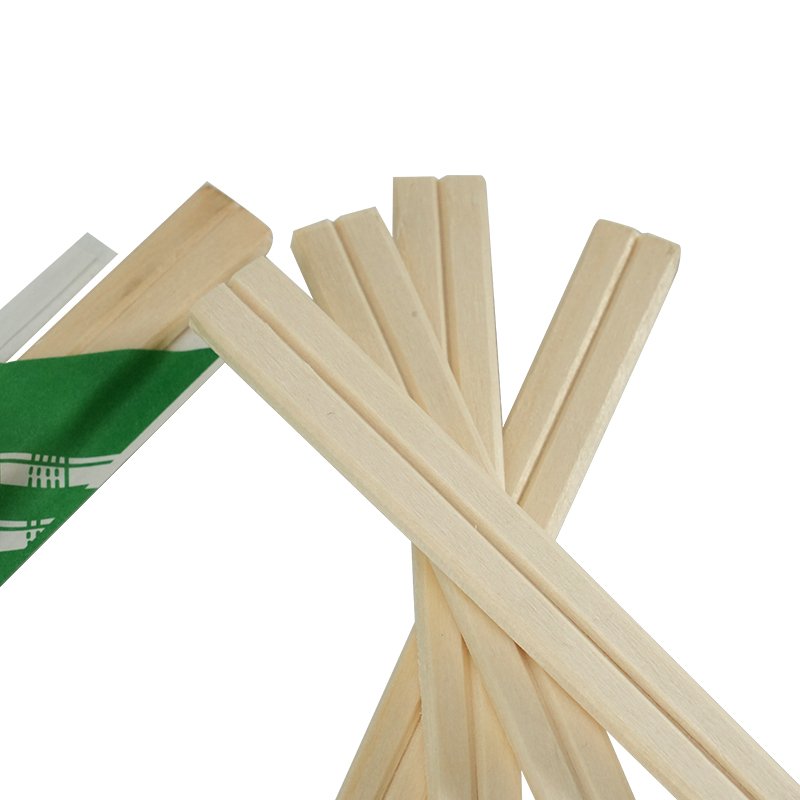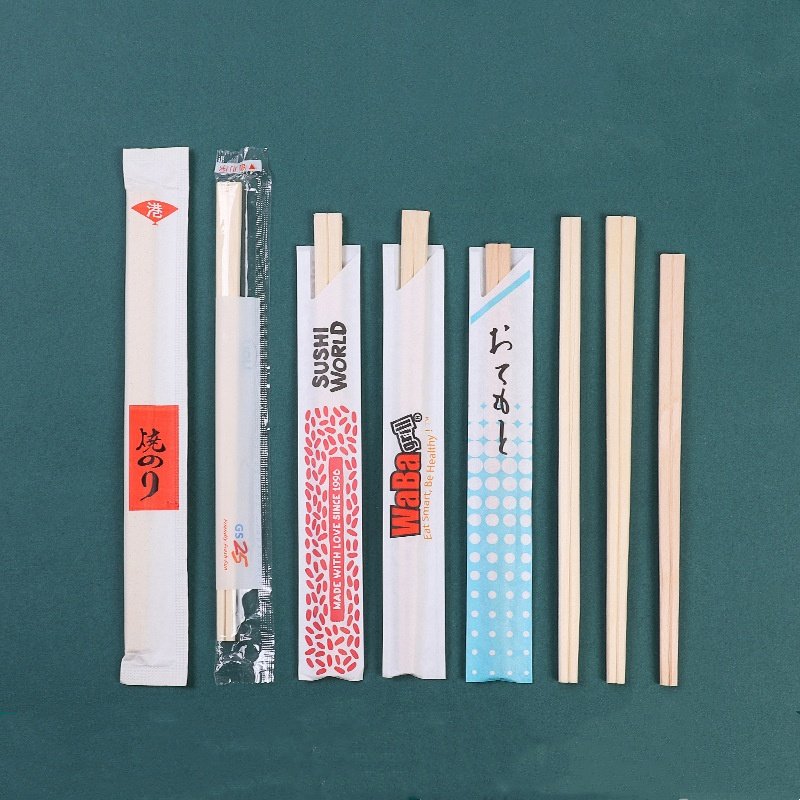

When you are planning to purchasing disposable wooden chopsticks in bulk, price is not the only factor that determines a successful sourcing decision.
For restaurants, food distributors, wholesalers, and importers, product consistency is equally important. A small difference in chopstick quality can directly affect customer experience, brand reputation, and long-term business relationships.
Many buyers compare quotations from different disposable wooden chopsticks suppliers but often overlook one important question:
Are all disposable wooden chopsticks produced under the same quality standard?
The answer is NO.
Professional wooden chopsticks manufacturers usually classify products into different quality grades based on:
- Appearance
- Wood selection
- Surface smoothness
- Color consistency
- Defect tolerance
- Manufacturing process
- Final inspection standards
Understanding these quality differences helps importers choose the right product for their market instead of simply purchasing the cheapest option.
As a professional disposable wooden chopsticks manufacturer in China, Dalian Weimei Houseware Co., Ltd has more than 25 years of experience producing wooden and bamboo disposable tableware for international customers. Through long-term cooperation with restaurants, wholesalers, and distributors worldwide, we understand that different markets require different quality levels.
This article explains the common quality grades of disposable wooden chopsticks and how professional buyers should inspect products before placing bulk orders.
Why Wooden Chopstick Quality Matters for Bulk Buyers
For small retail purchases, minor differences in appearance may not be noticeable.
However, for importers ordering hundreds of thousands or millions of pairs, quality consistency becomes a critical factor.
Poor-quality disposable wooden chopsticks may cause:
Splinter Problems
Sharp wood splinters can create an unpleasant dining experience and increase customer complaints.
Uneven Appearance
Different colors, stains, knots, or surface defects may negatively affect restaurant brands, especially Japanese restaurants and sushi chains.
This aspect is most easily assessed by visually inspecting the quality of the chopsticks.
Breakage During Use
Low-quality wood or improper drying can cause chopsticks to crack or break during customer use.
Shipping Problems
Incorrect moisture control can result in:
Mold growth: When the moisture content of wooden chopsticks is too high, water vapor can accumulate inside sealed shipping containers during long-distance ocean transportation. This condensation creates a humid environment that promotes mold growth, especially during summer shipments or when containers pass through tropical regions.
Deformation and bending: From our manufacturing and export experience, deformation is one of the most common quality issues caused by improper moisture control. During long-distance shipping, fluctuations in temperature and humidity cause wood with excessive moisture to expand and contract, which can lead to bending, warping, or twisting. Maintaining moisture content below 10% helps ensure the chopsticks remain straight and stable throughout transportation and storage.
Bad odor:Bad odors may develop if the wood is not thoroughly steamed or boiled during pretreatment. Incomplete heat treatment leaves natural organic compounds inside the wood, which can produce unpleasant odors during long-distance transportation or storage, especially in warm and humid conditions.
Therefore, professional buyers should evaluate not only the unit price but also the complete quality control system of the wooden chopsticks factory.
Disposable Wooden Chopsticks Quality Grades Classification
In the Chinese domestic market, disposable wooden chopsticks are commonly divided into three quality levels:
- Grade A(一三混等 in Chinese)
- Grade B(三负 in Chinese)
- Grade C(四等 in Chinese)
Different manufacturers may use different internal standards, but the basic concept remains similar.
Grade A Disposable Wooden Chopsticks — Premium Export Quality(一三混)
Grade A represents the highest quality level for disposable wooden chopsticks.
These products are usually selected by customers who focus on:
- Premium appearance
- Customer experience
- Brand image
- High-end restaurants
Main Characteristics of Grade A Chopsticks
Smooth Surface
Grade A chopsticks require excellent polishing quality.
The surface should be:
- Smooth
- Clean
- Free from rough areas
- Without visible splinters
Uniform Color
Premium customers usually require:
- Similar wood color
- Consistent appearance
- Minimal natural variation
Straight Shape
Grade A products have strict requirements for:
- Straightness
- Tip alignment
Minimal Natural Defects
Grade A chopsticks allow very limited:
- Knots
- Dark spots
- Surface marks
- Processing defects
Typical Applications
Grade A disposable wooden chopsticks are commonly used for:
- Japanese restaurants
- Sushi restaurants
- Luxury hotels
- Premium catering
- High-end supermarket brands
Because Grade A requires higher-quality raw materials and stricter inspection, the production cost is naturally higher.

Grade B Disposable Wooden Chopsticks — Commercial Restaurant Quality(三负)
Grade B is the most commonly purchased quality level for many international food-service customers.
It provides a balance between:
- Appearance
- Performance
- Cost
Many restaurant chains and wholesalers choose Grade B because customers care more about function and hygiene rather than perfect appearance.
Characteristics of Grade B Chopsticks
Compared with Grade A, Grade B may have:
- Slight color differences
- Small natural wood marks
- Minor appearance variations
- Slightly lower cosmetic standards
However, Grade B products should still meet:
- Food safety requirements
- Size requirements
- Basic smoothness standards
Typical Applications
Grade B disposable wooden chopsticks are widely used for:
- Takeaway restaurants
- Sushi chains
- Food distributors
- Catering companies
- Wholesale markets
Due to increasing competition in the food-service industry, many buyers in the US market have started selecting Grade B products to control procurement costs while maintaining acceptable customer experience.
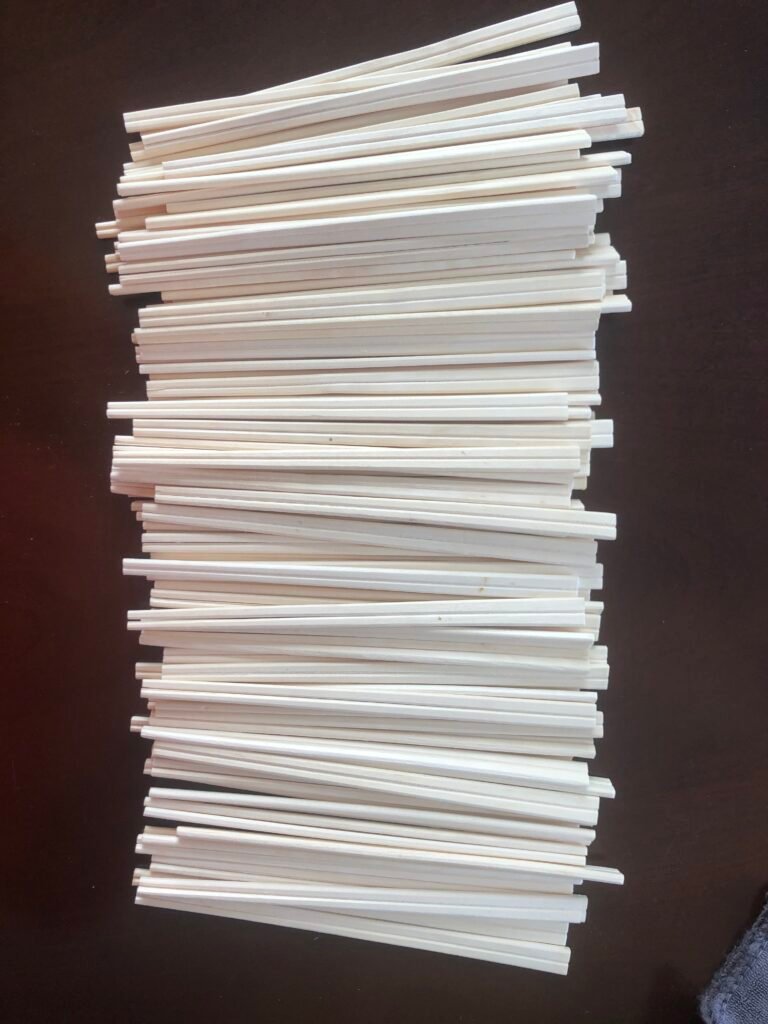
Grade C Disposable Wooden Chopsticks — Economy Quality(四等)
Grade C is designed for highly price-sensitive markets.
The main advantage is cost efficiency.
Characteristics
Grade C chopsticks may have:
- More color differences
- More natural wood marks
- Higher appearance tolerance
- Less strict cosmetic selection
However, qualified manufacturers still ensure:
- Food safety compliance
- Proper moisture control
- Basic usability
Typical Applications
Grade C products are commonly used for:
- Large-volume takeaway businesses
- Discount restaurants
- Cost-focused distributors
- Markets where price competition is extremely high
In recent years, some large food-service companies have started using Grade C chopsticks because reducing procurement costs has become increasingly important.

How Quality Grades Affect Disposable Wooden Chopsticks Prices
Quality grade has a direct impact on production cost.
Generally:
| Quality Grade | Market Position | Price Level |
| Grade A | Premium restaurants | Highest |
| Grade B | Commercial restaurants | Medium |
| Grade C | Price-sensitive markets | Lowest |
Based on our production experience:
- Grade A costs approximately USD 7–8 more than Grade B.
- Grade B costs approximately USD 5–6 more than Grade C.
The main reasons include:
Raw Material Utilization
- Higher-grade products require better wood selection.
- More raw materials are rejected during sorting, increasing production costs.
Manufacturing Selection
Premium grades require:
- More manual inspection
- More sorting time
- Higher rejection rates
Disposable Wooden Chopsticks Inspection Standards
A professional disposable wooden chopsticks supplier should have a complete inspection system covering every production stage.
1. Raw Material Inspection
Before production begins, factories should check:
- Wood species
- Moisture condition
- Mold contamination
- Insect damage
- Natural defects
Common wood materials include:
- Birch
- Poplar
- Pine
Different wood species require different processing methods.
2. Moisture Content Inspection
Moisture control is one of the most important quality standards.
The recommended moisture level for export disposable wooden chopsticks is generally:
Proper moisture control helps prevent:
- Mold
- Cracking
- Bending
- Odor problems
Especially for long-distance ocean shipping, moisture management directly affects product stability.
3. Dimension Inspection
Professional factories check:
Length:wooden chopstick common length is 165mm,180mm,203mm,240mm
Thickness:4.0mm,4.2mm,4.8mm
Shape:Inspection includes:
- Straightness
- Tip size
- Uniform diameter
Incorrect dimensions can affect customer usage experience.
4. Surface Quality Inspection
Inspectors check:
- Splinters
- Rough surface
- Cracks
- Black spots
- Bark residue
High-quality disposable wooden chopsticks should have:
- Smooth touch
- Clean appearance
- Comfortable grip
5. Packaging Inspection
Packaging is also part of product quality.
Inspection includes:
- Paper sleeve printing
- Logo position
- Quantity accuracy
- Packaging sealing
- Carton strength
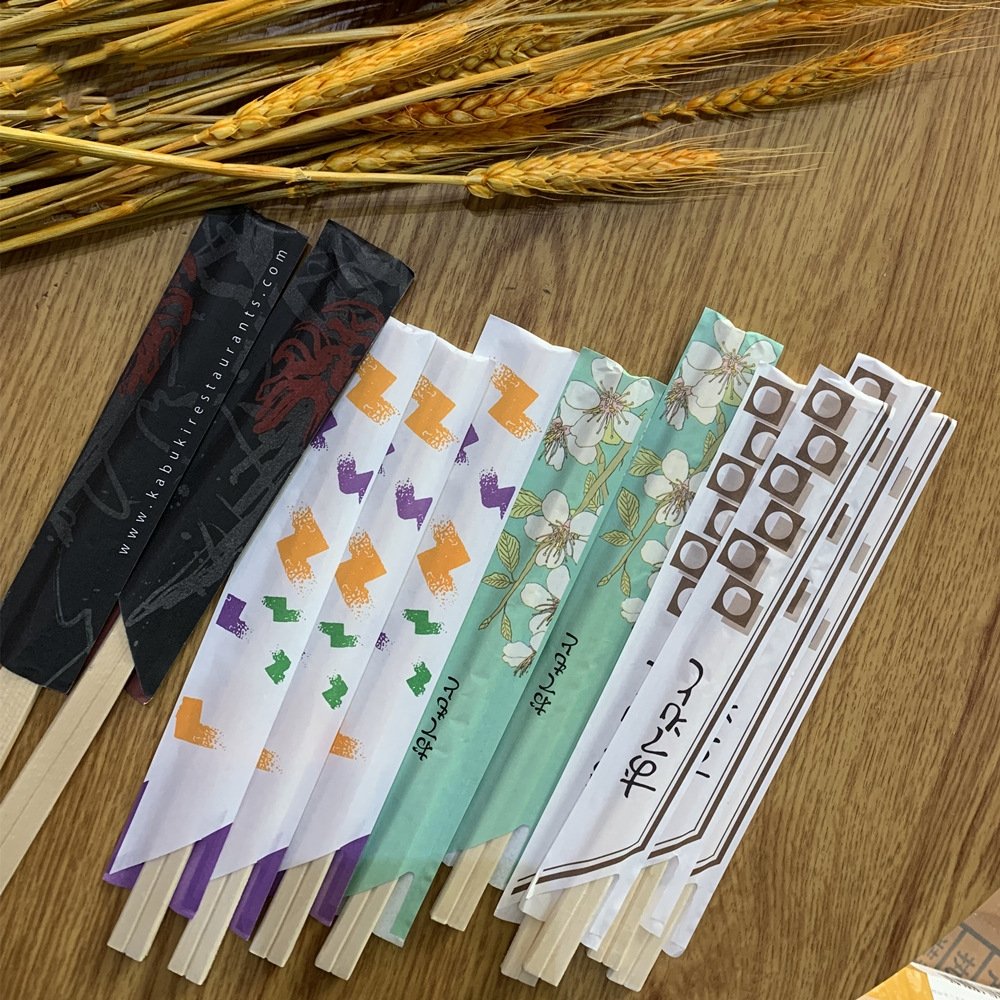
For OEM customers, packaging quality directly affects brand image.

How Professional Buyers Should Inspect a Wooden Chopsticks Supplier
Before placing a bulk order, buyers should ask suppliers:
Do you own your factory?
A real manufacturer usually has:
- Production equipment
- QC department
- Packaging lines
- Export experience
Can you provide quality inspection reports?
- Professional suppliers should provide:
- Product specifications
- Test reports
- Inspection records
Can you provide samples?
Before container orders, buyers should always test:
- Appearance
- Smell
- Strength
- Packaging quality
Can you maintain consistent quality?
A reliable supplier should provide stable production instead of only producing good samples.
Why Choose a Professional Disposable Wooden Chopsticks Manufacturer?
Choosing the right supplier is not only about finding the lowest price.
A professional wooden chopsticks factory should provide:
- Stable raw material supply
- Strict quality control
- Consistent production standards
- OEM packaging capability
- Export experience
- Reliable delivery schedules
At Dalian Weimei Houseware Co., Ltd, we have specialized in disposable wooden chopsticks and bamboo tableware manufacturing for more than 25 years, and our disposable wooden and bamboo chopsticks are mainly exported to Japan(90%),USA(5%),Other country(5%)
Our factory provides:
- Grade A/B/C quality options
- Customized packaging
- OEM and private label services
- FSC, FDA, LFGB, BRC compliance
- Stable container supply capability
We help global restaurants, wholesalers, distributors, and importers select the right disposable wooden chopsticks according to their market positioning and budget requirements.
Conclusion: Choose the Right Quality Grade for Your Market
There is no single best disposable wooden chopsticks quality level.
The right choice depends on:
- Target customers
- Restaurant positioning
- Market competition
- Purchasing volume
- Budget requirements
Grade A is suitable for premium brands.mainly for Japanese market,and some for USA and European market.
Grade B provides the best balance between quality and cost.Mainly for USA,Canada market
Grade C is suitable for highly competitive markets where price is the priority. Some trading company use this quality as good quality to sell client.
For professional importers, understanding quality grades and inspection standards is the key to building a stable disposable wooden chopsticks supply chain.
Call to Action
Looking for a reliable disposable wooden chopsticks manufacturer in China?
Dalian Weimei Houseware Co., Ltd provides professional bulk supply, OEM packaging, and quality-controlled disposable wooden chopsticks for restaurants, wholesalers, and distributors worldwide.
Contact us today to receive:
- Factory-direct quotation
- Product samples
- Quality specifications
- Packaging recommendations
- Bulk order solutions
- Build your competitive supply chain with an experienced wooden chopsticks factory.