
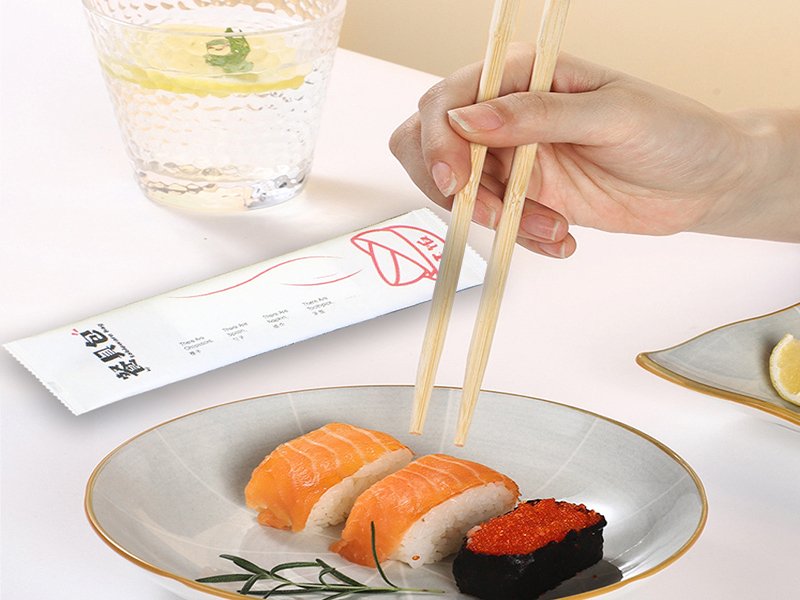
Disposable chopsticks are a staple in Asian cuisine and global takeout culture. However, as consumers become more conscious of sustainability and food safety, many questions arise regarding their use, history, and etiquette. In this guide, we address the most-searched questions to help you use them like a pro.
1.Are Disposable Chopsticks Safe?
Yes, disposable chopsticks are safe when they are produced by qualified manufacturers following food safety standards.High-quality disposable chopsticks are heat-treated and sterilized to remove bacteria, insects, and moisture. They are not chemically bleached and are suitable for direct food contact.
2.Are Disposable Chopsticks Hygienic?
Disposable chopsticks are considered one of the most hygienic eating utensils because they are designed for single use.
Snap-apart (waribashi) styles provide visible proof that the chopsticks have never been used before.
Individually wrapped chopsticks offer extra protection during delivery and takeaway service.
3.How Long Do Disposable Chopsticks Last?
When stored in a dry, ventilated environment with moisture levels kept below 10%, disposable chopsticks can last for several years without molding. However, once they are removed from their protective sleeve and exposed to food or moisture, they should be used immediately and disposed of.
4.Is It Okay to Reuse Disposable Chopsticks?
Generally, it is not recommended to reuse disposable chopsticks. Their porous nature—whether made of bamboo or wood—means they can absorb moisture and food particles, making them difficult to sanitize thoroughly for a second use. For long-term use, it is better to invest in high-quality reusable wooden or stainless steel chopsticks.
5.How do I store disposable chopsticks properly at home?
If you have a surplus of disposable chopsticks from takeout or bulk buying, follow these three rules to keep them safe and hygienic:
- Keep them Bone-Dry: Moisture is the enemy of bamboo and wood. Store them in a well-ventilated drawer or a dedicated holder away from the steam of your stove or sink.
- Retain the Original Sleeves: Do not remove the paper or plastic wrapping until the moment of use. These sleeves are your primary defense against household dust and environmental bacteria.
- Avoid Direct Sunlight: Prolonged exposure to sun can make natural fibers brittle and prone to splintering. A cool, dark pantry is the ideal environment.
- Monitor for Aging: While they can last for years in dry conditions, discard any sticks that develop dark spots (mold) or a strange, sour odor.
6.Do Japanese and Chinese use disposable chopsticks?
Absolutely. In both Japan and China, disposable chopsticks (known as Waribashi in Japan) are widely used in restaurants, convenience stores, and for takeout meals. While reusable chopsticks are preferred for home dining to reduce waste, disposable versions provide a hygienic and convenient solution for the fast-paced food service industry.
7.Is It Rude to Rub Disposable Chopsticks Together?
In Japanese dining culture, rubbing disposable chopsticks together is considered impolite.
It implies that the chopsticks are cheap or poorly made.
High-quality disposable chopsticks should be smooth and splinter-free.
8.What Are the 7 Basic Rules When Using Chopsticks?
1). Do not stick chopsticks vertically into rice.
2). Do not point chopsticks at others.
3). Do not use chopsticks to move bowls.
4). Do not spear food with chopsticks.
5). Do not lick chopsticks.
6). Do not rub chopsticks together.
7). Place chopsticks neatly when not in use.
9.Why Do Asians Use Chopsticks Instead of Forks?
The use of chopsticks dates back thousands of years. Ancient Chinese culinary wisdom focused on cutting food into bite-sized pieces during preparation, which eliminated the need for a knife at the table. Chopsticks are seen as an extension of the fingers—versatile enough to pick up, stir, and even whisk food, fitting perfectly into the philosophy of Asian cuisine.
10.What Are the Most Hygienic Chopsticks?
The most hygienic chopsticks are:
– Snap-apart disposable chopsticks
– Individually wrapped disposable chopsticks
– Heat-treated and sterilized bamboo or wooden chopsticks
These options minimize contamination and ensure food safety.
11.Why Bamboo is the Superior Choice
If you are choosing between materials, bamboo is highly recommended for its natural antimicrobial properties and rapid renewability. Our manufacturing process ensures that all bamboo products are kiln-dried to specific moisture levels to guarantee they remain clean and safe from our factory to your table.
Conclusion
Disposable chopsticks are safe, hygienic, and practical when sourced from professional manufacturers.Choosing the right material, packaging, and supplier helps food service businesses protect customers, maintain brand reputation,and comply with hygiene standards.As a professional disposable bamboo and wooden chopsticks factory, we support restaurants, distributors, and importers with consistent quality, customized solutions, and international export experience.
